 Volume One
What to write in a baby book: 40 prompts that take ten seconds
The blank page is why most baby books stop at month three. Here are forty questions that take ten seconds to answer, sorted by month, that make a first-year baby book worth reading at twenty.
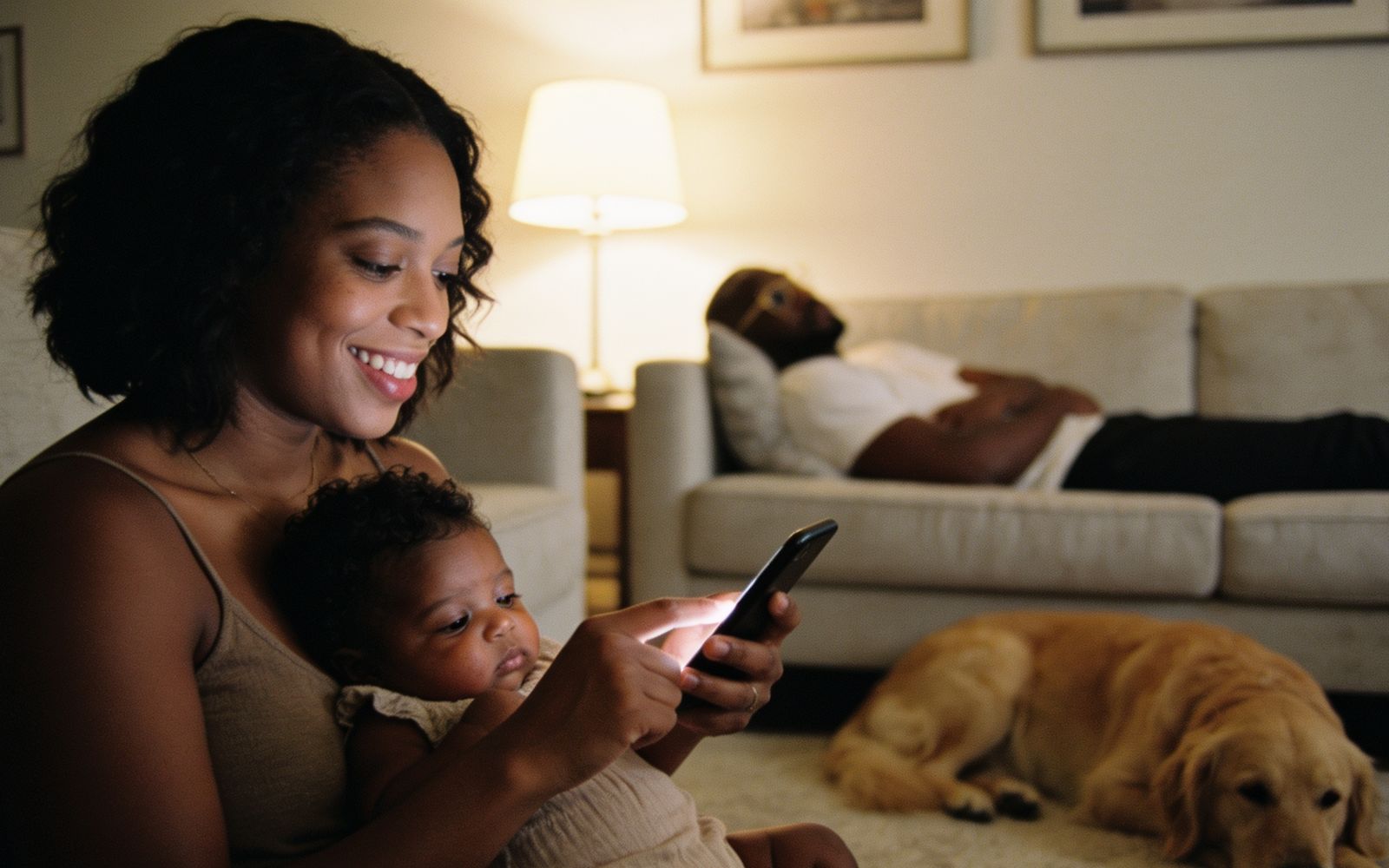
Nobody stalls on a baby book because they have nothing to say. They stall because the page asks for an essay and they have eleven minutes and a sleeping child on one arm. So the trick is not to write more. It is to answer smaller questions, often, and to let the book do the assembling.
The prompts below are the ones we send parents by text, one a day, in Volume One. They are ordered by month because the first year changes what is worth noticing. Each one can be answered in a sentence. Most can be answered in five words. Five words, dated, is a baby book entry. "The wooden spoon. She lost it." is a better line than any paragraph you would have written on a Sunday.
The first two weeks
- What time did they arrive, and what was the first thing anyone said?
- What did the nurse notice about them that you had not?
- What did the car ride home smell like?
- Who was the first visitor, and what did they bring that you did not need?
- What did the dog, the cat, or the older sibling do the first night?
- The thing you googled at 3 a.m. that turned out to be normal.
- What you ate standing up.
Month one
- The sound they make that is not quite a cry.
- Which hand do they grab with, and what did they grab?
- What does their hair do after a bath?
- The one thing that reliably stops the crying, and who discovered it.
- What the other parent said, tired, that you want them to hear again in ten years.
- A word for the way they look at the ceiling.
- What you wore for four days in a row.
Month two
- The first smile that was clearly at a person, and who got it.
- The first laugh. What caused it. (It was probably something falling.)
- What they do when the bath water is a little too cold.
- A sentence about the walk you take when nothing else works.
- Who they look like this week. It will change.
- The song you sing that you would not sing in public.
Month three
- What they have discovered about their own hands.
- What their face does when the spoon appears.
- The first time they slept a stretch that scared you.
- A grandparent's exact words on the phone or the video call.
- The thing you used to care about that you do not, now.
Months four and five
- The first solid food, and the verdict, in their words if they had any.
- The noise of the bib, the chair, the dropped cup: the sound of dinner now.
- Where they get to when you leave the room for one minute.
- What made them furious this week.
- What made them laugh so hard they hiccuped.
Months six to eight
- The first time they sat up and looked surprised about it.
- The object they will not be parted from.
- What they say to the dog.
- The first swim, the first snow, the first sand: whichever came first.
- The thing you did not photograph and wish you had. Write it down instead.
Months nine to twelve
- Their first word, and the argument about whether it counts.
- The route they crawl, then cruise, then walk, through the house.
- What they hand you, over and over, and why.
- The birthday cake, and what they did with it.
- One sentence to the person they will be, from the person you are tonight.
How to actually keep this up
Three rules that make the difference between a book that fills and a book that stops.
Answer where you already are. If the prompt arrives as a text, you answer it as a text. Nobody opens an app at 9:40 p.m. to journal. Everybody answers a message.
Date it, then forget it. The value of an entry is that it is true and it is dated. You do not have to make it good. The month's chapter is where the words get arranged; in Volume One the book drafts that chapter from your replies and you approve it with a tap.
Let other people write in it. A grandmother's one line in the margin ("She has my mother's chin") is worth a page of your own prose. Give the family a link and let them in.
Forty prompts is a year. You will not answer all forty, and that is fine. Twenty short, true, dated sentences, next to the photographs from the same month, is a baby book. The one that is finished is the one that gets read.